
- August 20, 2025
- Posted by: Ahmed Abed
- Category: EN
SCZONE Chairman: “SCZONE’s World-Class standard infrastructure development is a successful global model to be applied in Africa.”
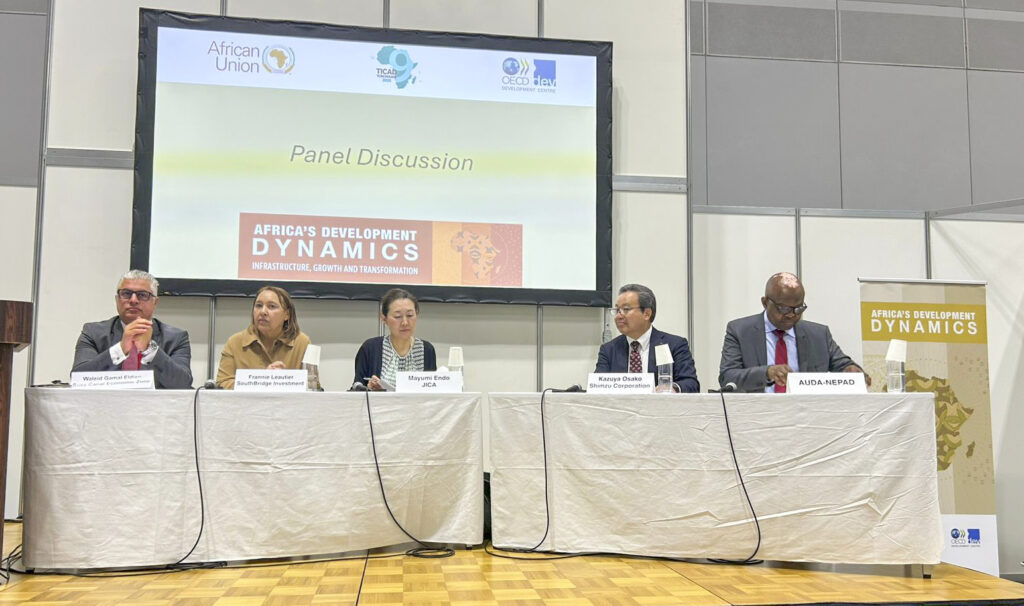
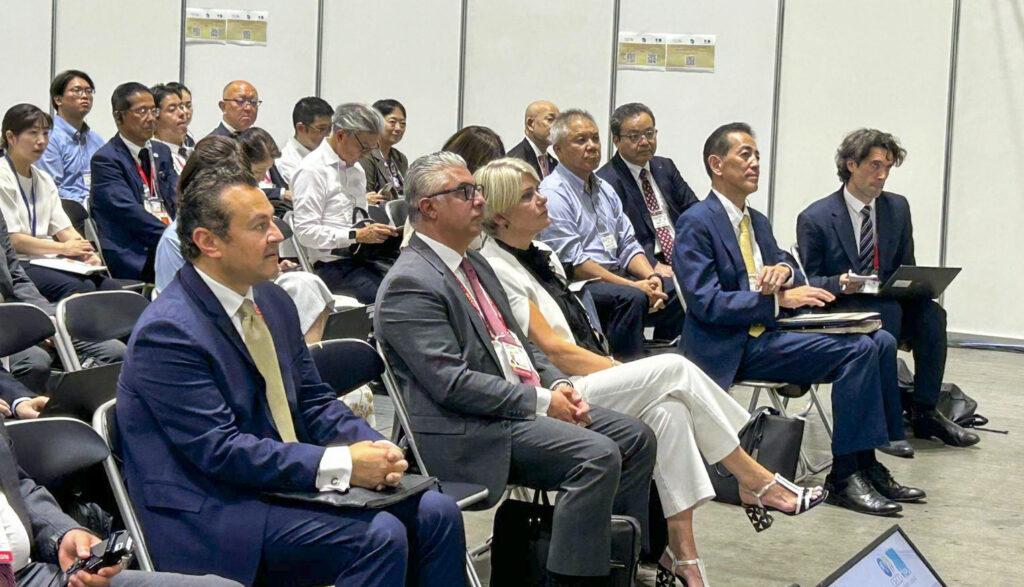
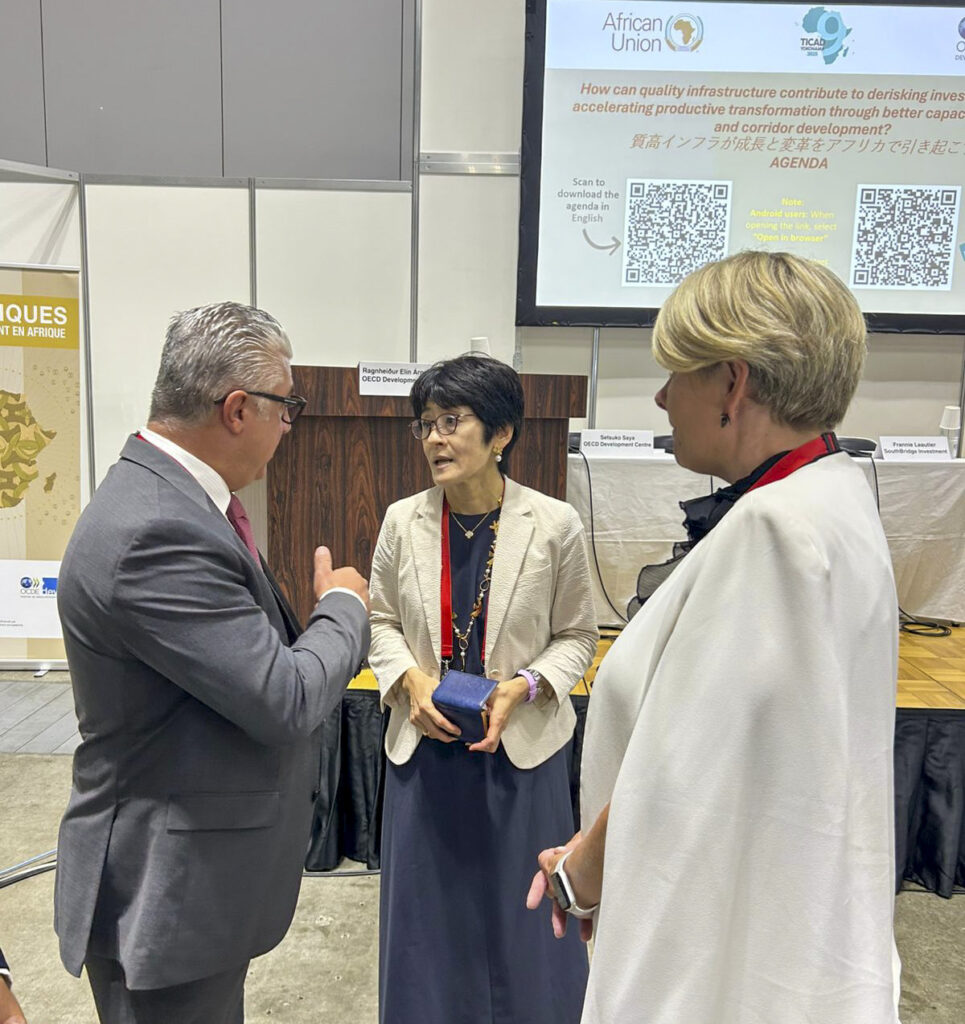
In its first events during the ninth edition of the Tokyo International Conference on African Development (TICAD9), the Suez Canal Economic Zone (SCZONE) was represented by its Chairman, Mr. Waleid Gamal El-Dien, who was a keynote speaker at a high-level discussion panel held by the Organization for Economic Co-operation and Development (OECD) in partnership with the African Union (AU). The panel, which focused on infrastructure and productive transformation, was moderated by Ms. Setsuko Saya, Deputy Director of the OECD Development Centre, and attended by Ms. Ragnheiður Elín Árnadóttir, Director of the OECD Development Centre; Ms. Frannie Léautier, CEO of Southbridge Investments; Ms. Mayumi Endo, Deputy Director General of the Japan International Cooperation Agency (JICA); and Mr. Kazuya Osako, Director of the International Civil Engineering Division at Shimizu Corporation.
The discussion panel reviewed the key themes of the forthcoming major economic report from the OECD, titled “Africa’s Development Dynamics (AfDD 2025): Infrastructure, Growth, and Transformation.” The report focuses on key priorities, including investment financing, infrastructure, and human capacity building in Africa.
During his keynote address, Mr. Waleid Gamal El-Dien emphasized that: “SCZONE has an inspiring experience that shows how having ready infrastructure and facilities can improve the investment climate, lower risks, and support the integration of supply chains. The Egyptian government has injected major investments into infrastructure projects within SCZONE, in addition to what SCZONE has invested over the 10 years since its establishment. This infrastructure, which is built to World-Class standards, meets the needs of investors across various industrial, logistical, and service sectors we are targeting for localization. Our diverse infrastructure projects include power and water stations, internal roads, communications networks, and industrial security systems, among others.”
“We are making continuous efforts to develop our 6 ports on the Red Sea and Mediterranean Sea. These ports ensure full access to various global markets, supported by a number of Free Trade Agreements (FTAs). Our development work includes deepening and expanding port basins to accommodate the latest generations of vessels, as well as constructing multi-purpose berths and yards to serve various industrial and logistical activities, including silos and refrigerated storage for food and medicine. We have also signed agreements with major international port operators to leverage their expertise and to cooperate with major global shipping lines. The readiness of SCZONE’s infrastructure and facilities enhances its competitiveness as a preferred investment destination and a leading global industrial and logistical hub. The Suez Canal Economic Zone’s experience in infrastructure development can be used as a successful global model that is applicable in Africa, contributing to sustainable development and maximizing the continent’s resources.” Added H.E. Waleid Gamal El-Dien
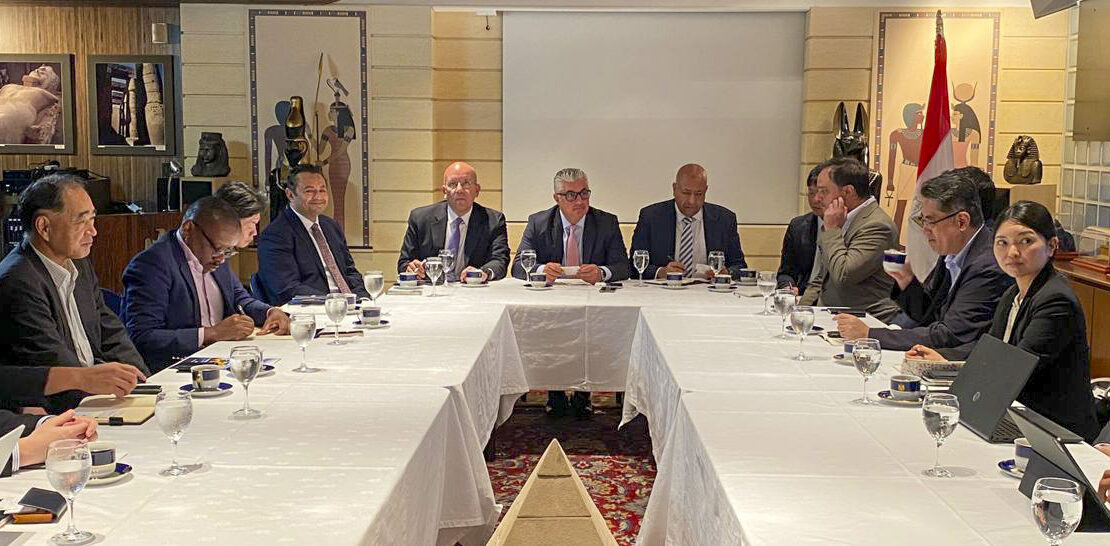
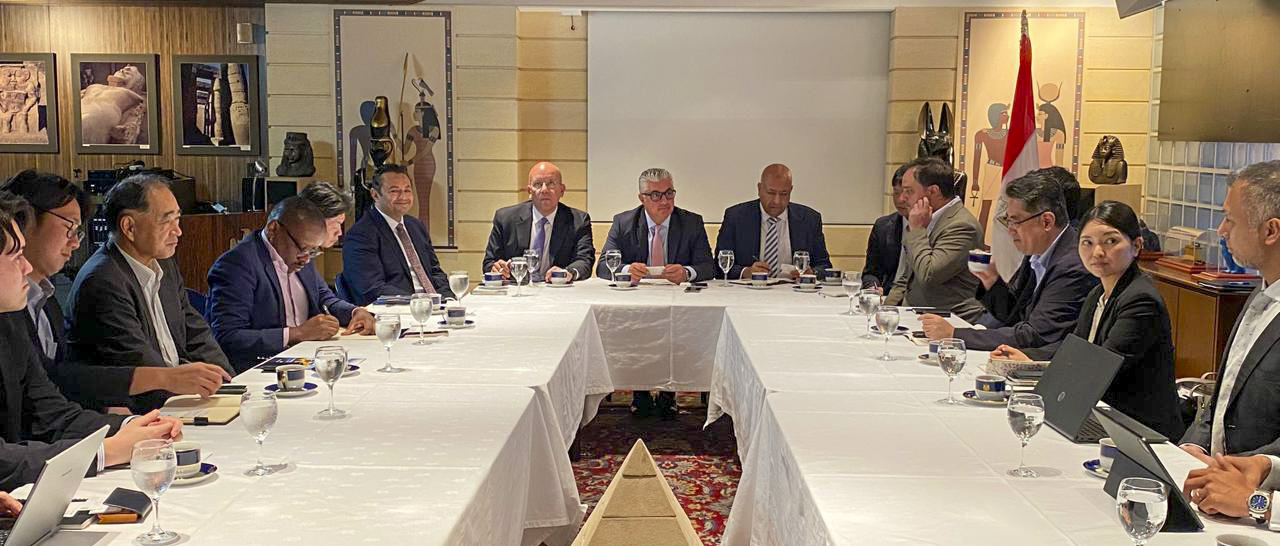
On a related note, SCZONE Chairman and his accompanying delegation held an extensive roundtable with eight Japanese companies interested in investing in various sectors within SCZONE. The companies were: Nippon Signal (specializing in railway signaling system technologies), JOIN (which manages a Japanese investment fund for global infrastructure projects), Deloitte Tohmatsu (for business consulting and services), Compasspoint (for logistics services, consulting, and sales management), PADECO (for project consulting and management), Qunie corp (for consulting services), Sakai (specializing in the manufacturing of heavy equipment for soil grading, road paving and maintenance, and various infrastructure works), and Taitan Capital (for real estate investment).
For his part, Mr. Waleid Gamal El-Dien stated: “Our strategic vision for SCZONE includes 21 diverse sectors—from industrial to service and logistical. The most prominent of these are metal industries, automotive, pharmaceuticals and active ingredients, green fuels and related industries, and data centers. We have a ready investment climate and digital one-stop-shop services that facilitate business for investors. We also provide trained technical labor and diverse energy sources at competitive rates. The seamless integration between SCZONE’s industrial and logistical zones and seaports is key to achieving global supply chain integration and enhancing access to more than 2 billion consumers worldwide.”